

(Case study)
Netflix changed one film's cover and plays went up 14%
A documentary about kid golfers kept getting skipped on Netflix, so Netflix tested new covers for the same film. The test works for any post's cover.

Mateus CremonDesigner, Cremon Studio · 3 min read
You spent the afternoon writing the text for your Instagram carousel, then made the cover in five minutes on your usual template. The post went nowhere, and the algorithm took the blame.
Netflix once had a similar problem, with a movie.
The documentary nobody picked
The Short Game is a documentary about 7- and 8-year-olds competing in a kids' world golf championship. In 2013, it won the Documentary Audience Award at SXSW, but it made less than $40,000 in US theaters. That December, it became Netflix's first original documentary.
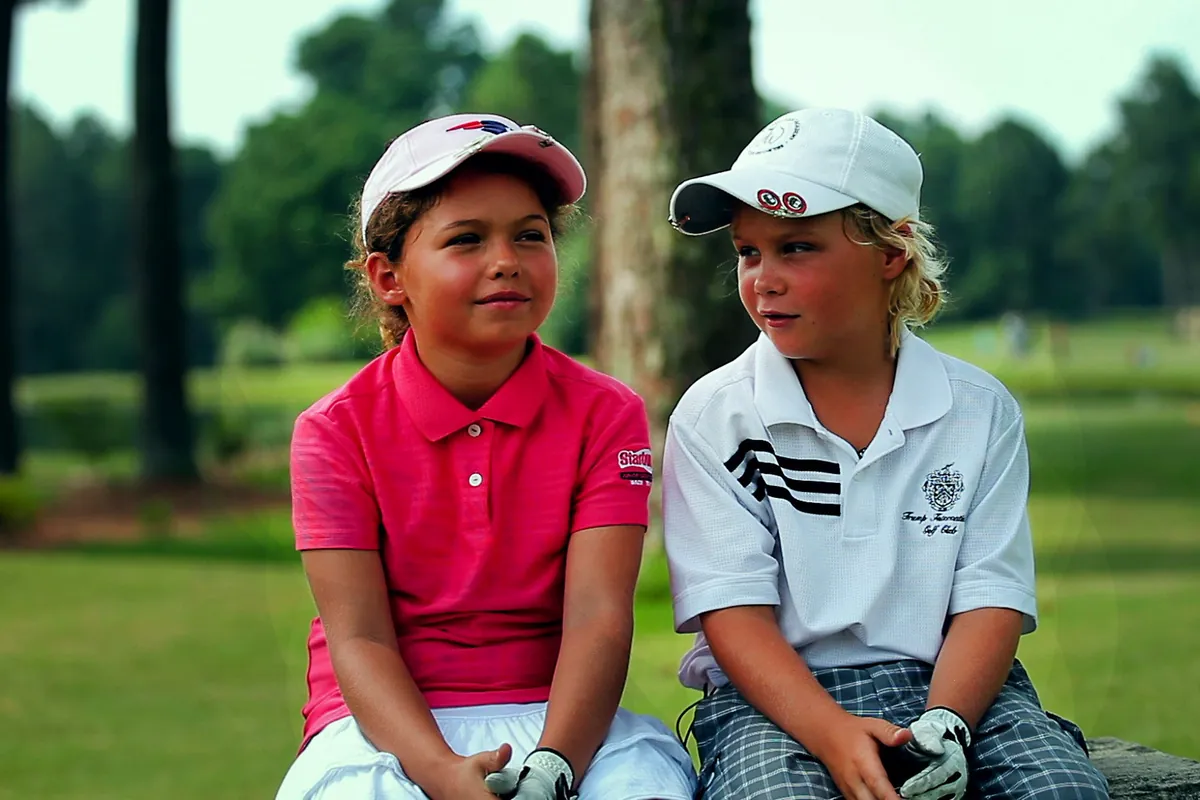 A still from The Short Game (Netflix, 2013).
In 2014, it still wasn't finding its audience on Netflix, and the problem was the cover. According to Netflix's engineering team, people looking at the default cover didn't realize right away that it was about kids, so they scrolled past.
The test
Netflix made other covers and tested them. Each group of members saw a different cover for the same film.
The winner showed a little boy taking a swing, with an adult carrying the golf bag beside him. With the same film behind it, plays went up 14% over the default cover.
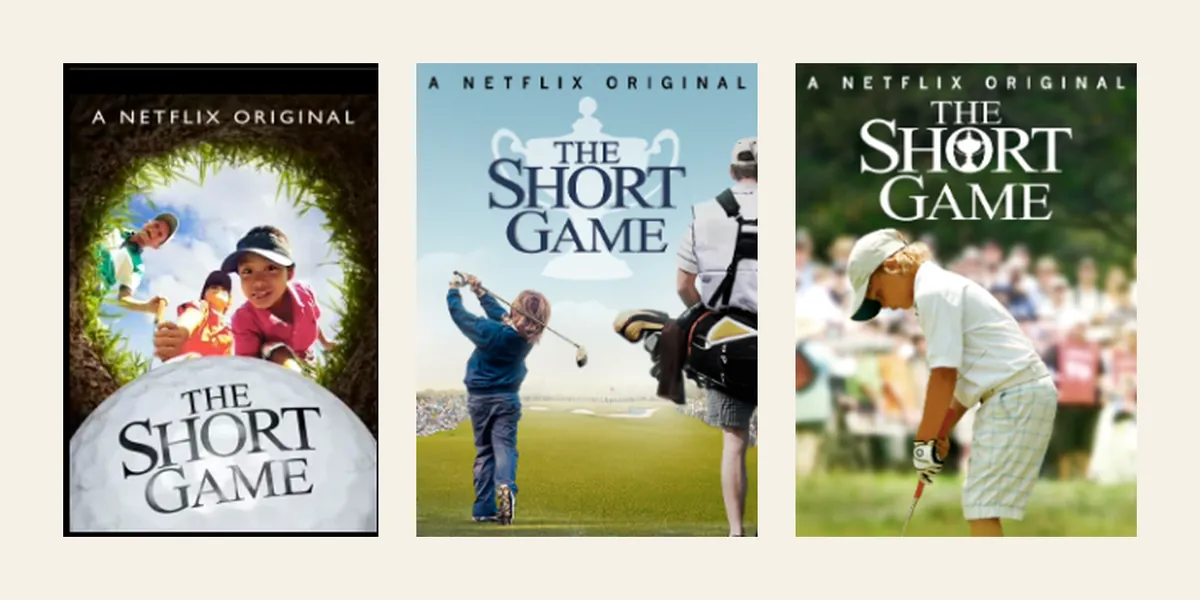 The default cover, on the left, and the two that were tested. The middle one won. Image: Netflix Tech Blog, 2016.
1.8 seconds per title
In member research from early 2014, Netflix measured how people pick what to watch. The cover was the biggest factor in the choice. It got over 82% of people's focus while browsing, and people spent an average of 1.8 seconds looking at each title.
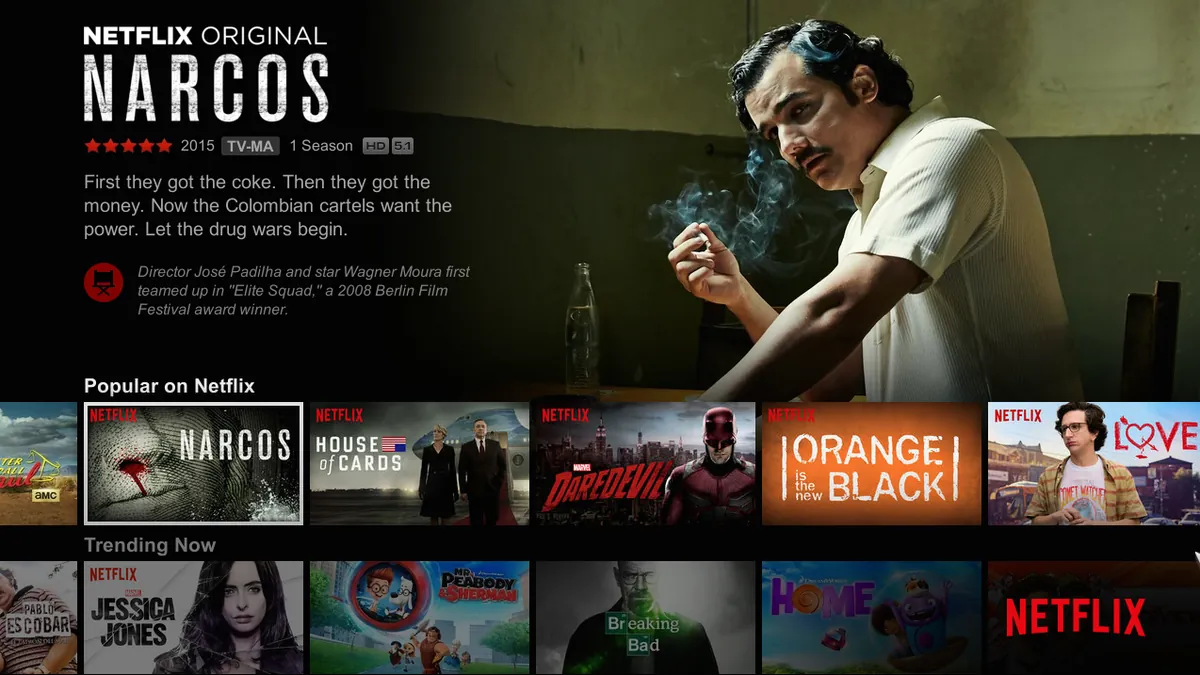 The Netflix home screen in 2016. Image: Netflix Tech Blog.
On its tech blog, Netflix wrote that members look at the cover first and only then decide whether to read the description.
A cover for each person
In December 2017, Netflix went further and started choosing each title's cover for each member, based on what they'd already watched. In the Good Will Hunting example, someone who watches a lot of comedy gets the cover with Robin Williams, and someone who watches a lot of romance gets the couple about to kiss. The gain was biggest with people who had never watched that title, because the cover matters more when you don't know the film.
In the same post, Netflix warned that every cover has to show what's really in the film, or it turns into clickbait.
In September 2026, YouTube announced the same thing for every creator. You upload three thumbnail options, and YouTube shows the best one to each part of your audience.
Your post's cover
People scrolling a feed also decide in seconds whether to stop, and the cover is what tells them what the post is about. That goes for a designer's account and for a business's. People who don't know you or your brand yet decide by the cover.
Before you write the text, test the cover. Can someone who glances at it tell right away what the post is about?
If not, the only person reading the text you spent all afternoon on is your mom. She even reads the captions.