
(Case study)
The 4 types of brand architecture, and why Unilever hides its name on Omo
Some companies put their name on everything, and some hide it on the back of the box. The 4 types of brand architecture, from Coca-Cola to Lexus.

Mateus CremonDesigner, Cremon Studio · 4 min read
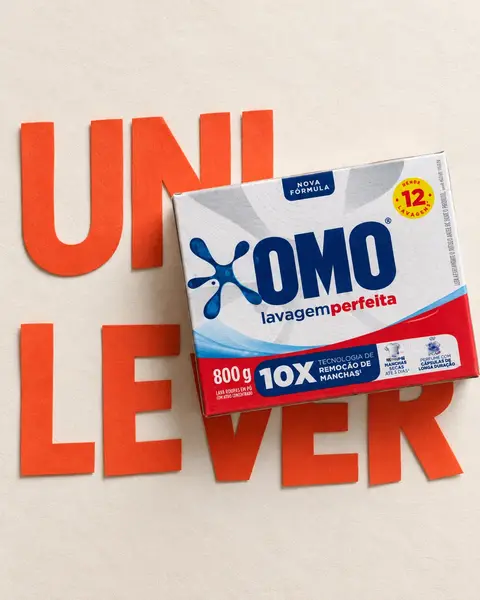
Take a box of Omo, a laundry detergent Unilever sells in Brazil. The front shows the Omo name, the design, and the weight. Unilever's name is on the back, in small print, next to the info the law requires on the package.
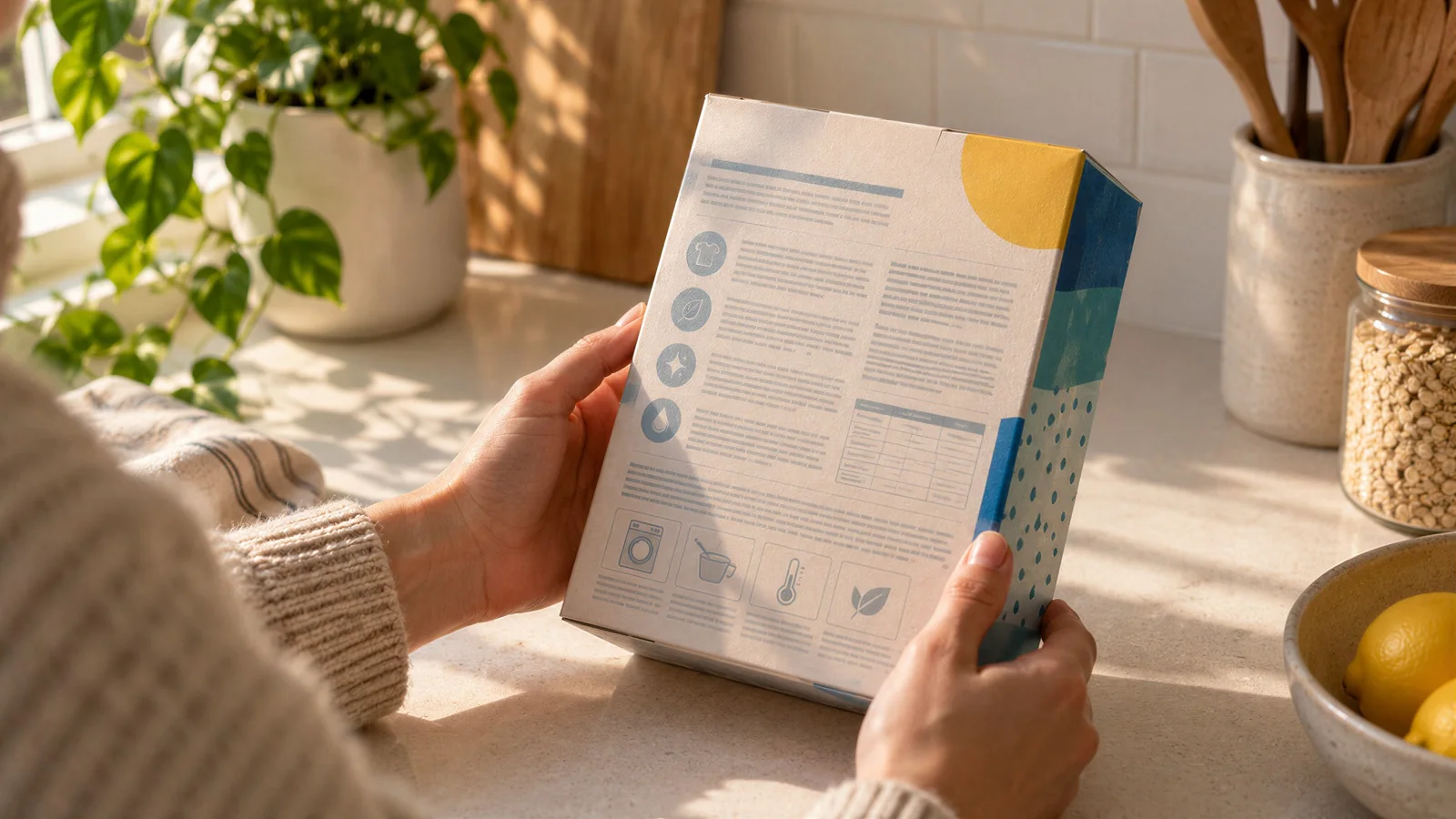
Omo isn't the only one. Omo, Dove, Seda, Rexona, Brilhante, and Hellmann's are all among Brazil's 50 most-purchased brands in the 2026 Brand Footprint ranking. All six belong to Unilever, and none of them has its name on the front.
This way of organizing a company's brands is called brand architecture. It's the decision about where the company's own name shows up, if it shows up at all.
Where the types come from
Sorting brands into types goes back to British brand consultant Wally Olins. In his 1989 book Corporate Identity, he split them into three groups, monolithic, endorsed, and branded, which I'm calling independent here. Today people also talk about a hybrid, which mixes the others.
Monolithic
One name for everything. In April 2012, the phone company Telefônica took its own name off its services in Brazil and moved them all under Vivo, its mobile brand. Landline, internet, and TV became Vivo Fixo, Vivo Speedy, and Vivo TV, and Telefônica stayed only on the legal paperwork.
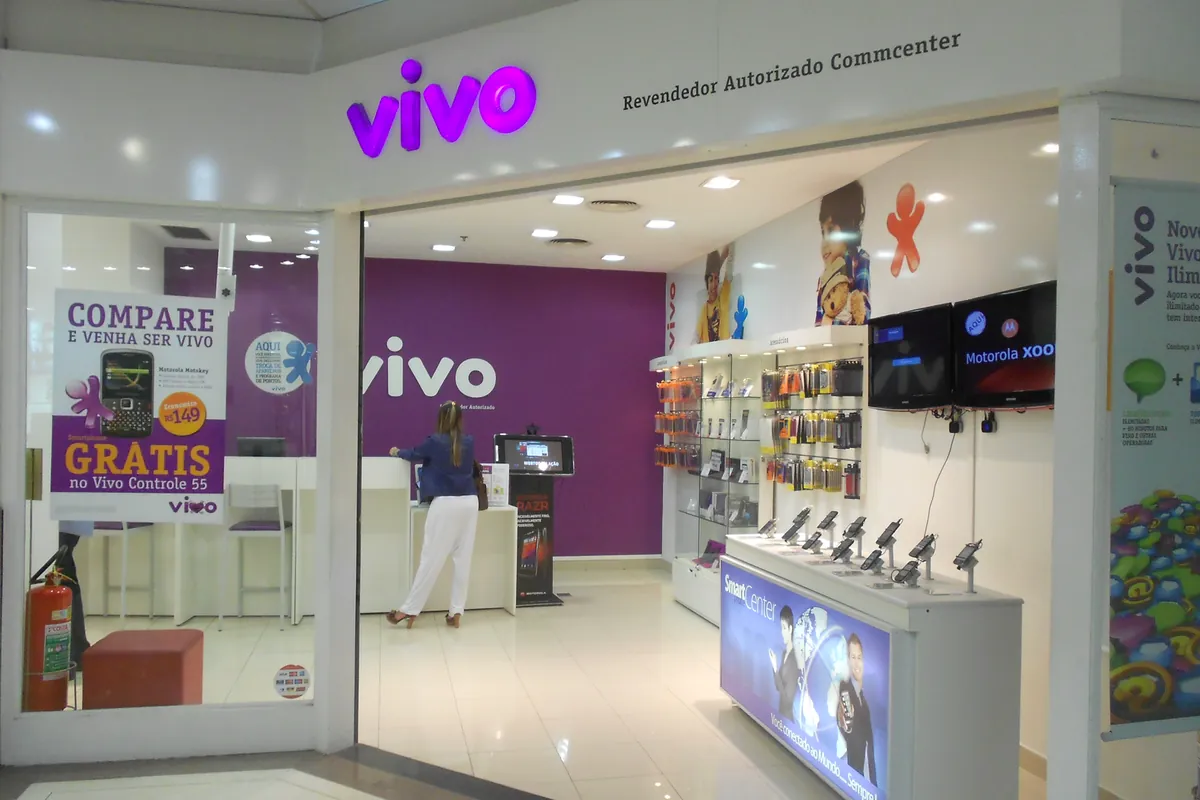 A Vivo store in Rio de Janeiro, 2012. Photo: Eduardo P/Wikimedia Commons (CC BY-SA 3.0).
In a monolithic brand, the big name is always the parent company's, on every product.
Endorsed
The brand has its own name, and the parent company signs underneath. On Tixan Ypê, a Brazilian laundry powder, the big name is Tixan, and Ypê comes in as a signature.
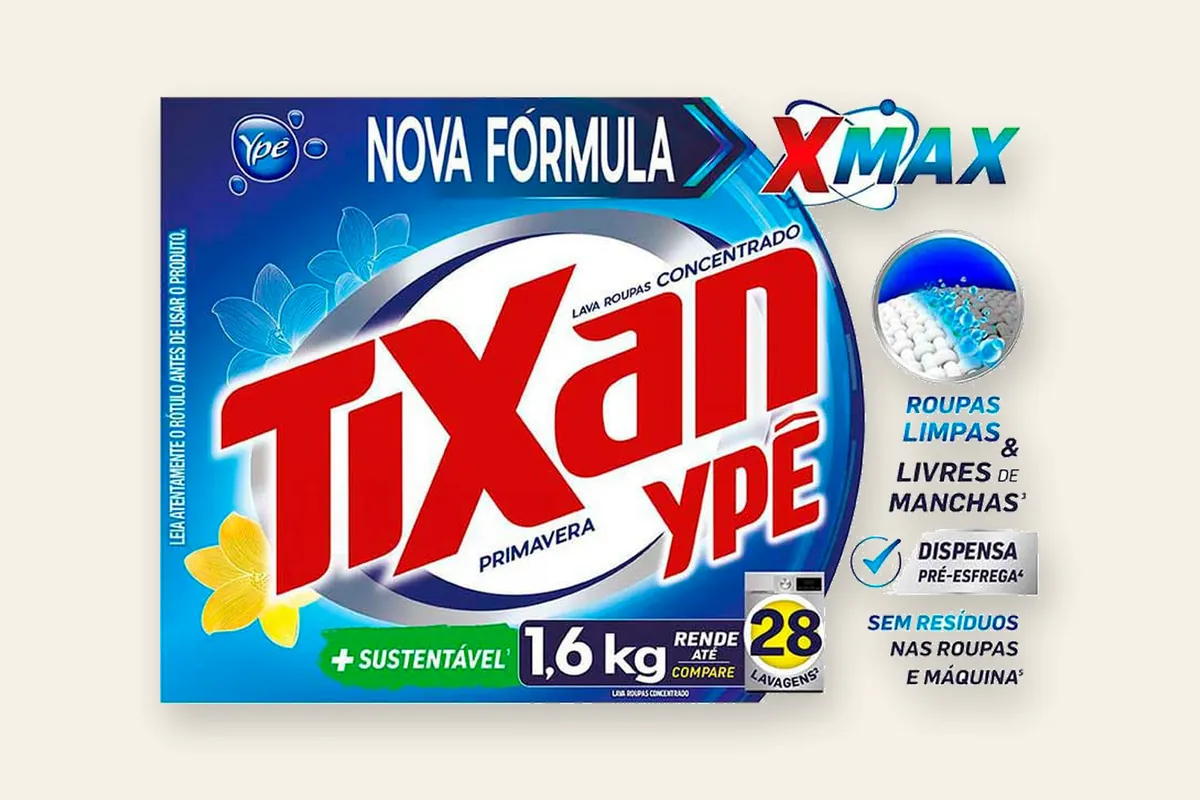 Photo: press image.
The difference from monolithic is the size of the names. Here the brand gets the big name, and the parent comes in smaller, as a guarantor. Anyone who picks up Tixan at the store sees Ypê right next to it and knows who makes it.
Independent
Each brand stands on its own. That's the six Unilever brands up top, and two Brazilian food brands that sit on the same supermarket shelf.
In the same ranking, Perdigão is Brazil's 3rd most-purchased brand and Sadia the 4th, and both have the same owner. Sadia is the premium one. Perdigão has been the value brand since 2015, when it was relaunched as a budget label. I think it'd be much harder for one to be premium and the other budget if both had the same name on the front.
Hybrid
A little of each. Natura, a Brazilian cosmetics company, puts its own name on product lines like Natura Ekos and Natura Tododia. Avon, which Natura still owns in Latin America, keeps its own name.
Pure types are rare
In a 2000 article in California Management Review, David Aaker and Erich Joachimsthaler write that pure models are rare at both extremes. They're also the ones who named the two extremes the way you'll find them if you look this up: branded house for monolithic, and house of brands for independent.
You can see the mix in the fridge at any bar in Brazil. Among drinks people buy away from home, the country's three most-chosen brands are Coca-Cola, Fanta, and Crystal, a bottled water, according to Kantar in 2024, and all three have the same owner. The company's name goes on its main soda, and Fanta and Crystal don't carry Coca-Cola on the front.
Does the parent name help or hurt?
That's the question I'd ask about every new brand, before picking a type. To sell luxury cars, Toyota created Lexus in 1989, and the Toyota name isn't on the car.
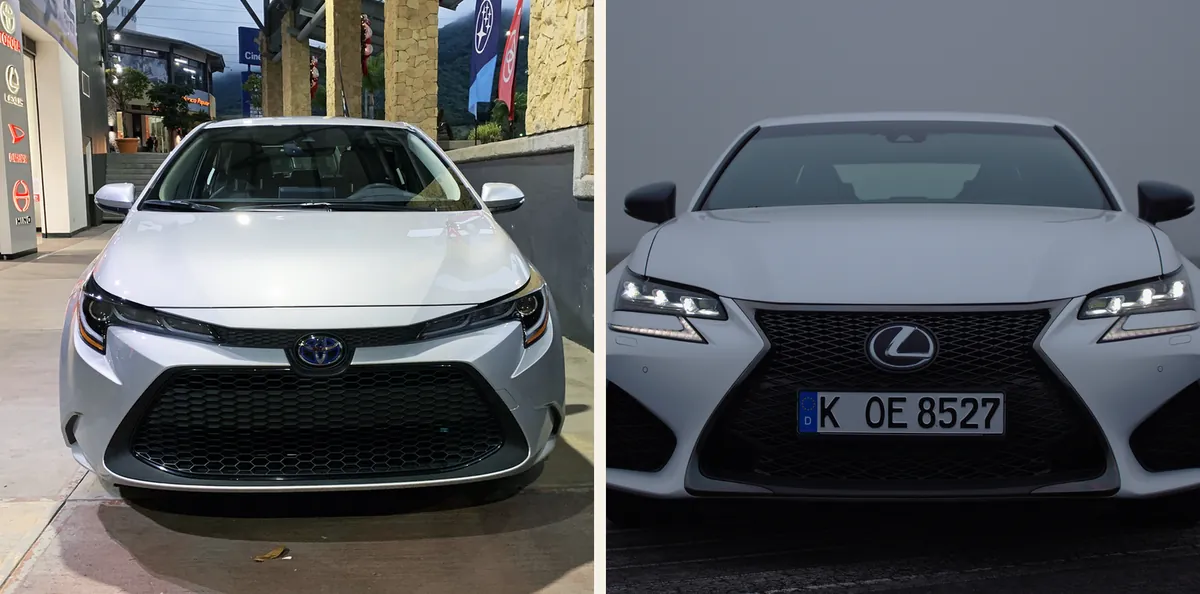 Toyota Corolla and Lexus GS F, same owner. Photos: Mario Roberto Durán Ortiz and Mario von Berg/Wikimedia Commons (CC BY-SA 4.0).
In Aaker's article, Lexus is the example of what he calls a shadow endorser, where the parent is behind the brand without showing up on the product.
If you own a brand, this question shows up the day you launch a second product, and it's better answered before anyone touches the logo. On the box of Omo, Unilever's answer is on the back, in small print.